Indika Sampath Sirimanna
Cyber Security & Software Development Professional
About Me

Professional Overview
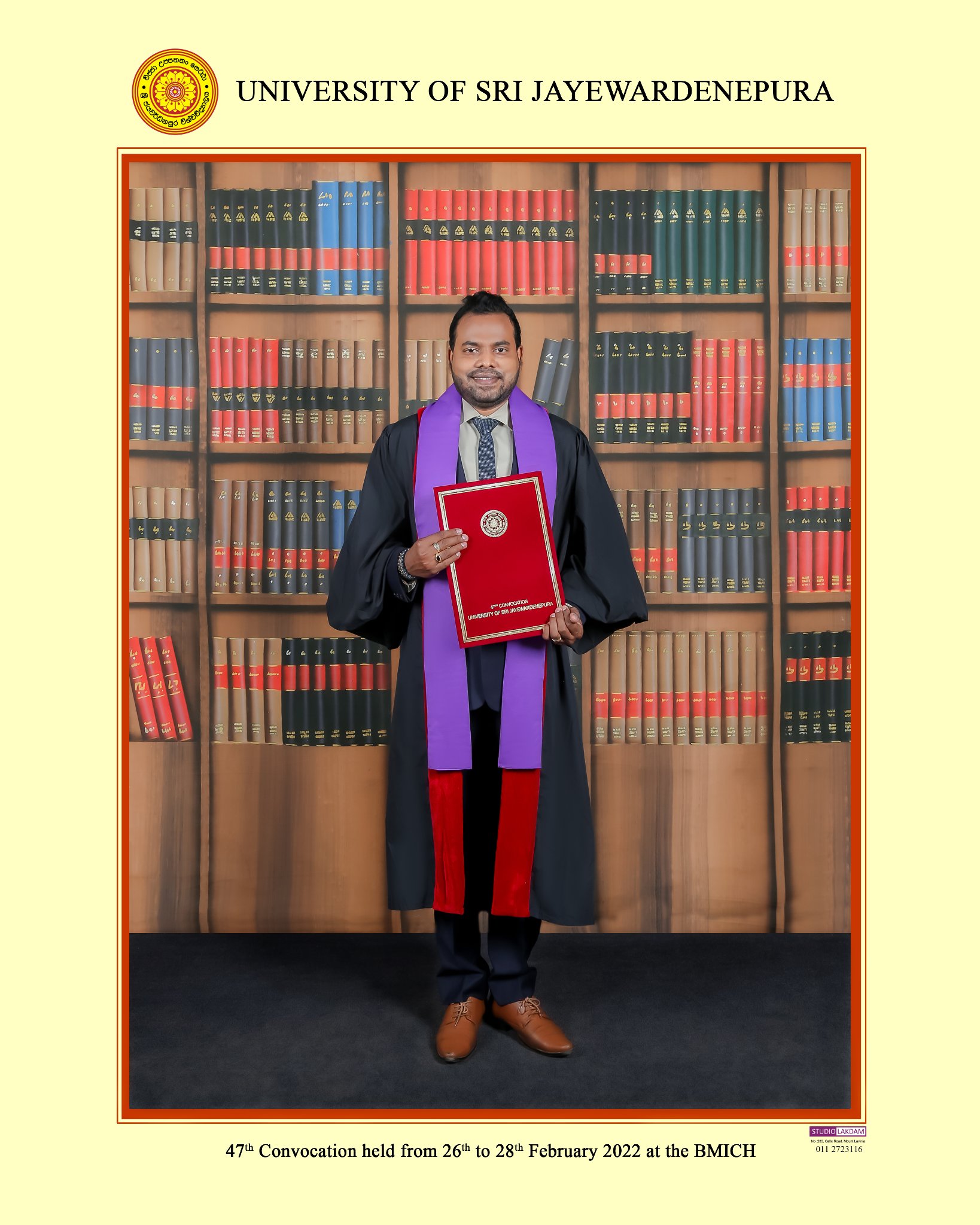
I am a Cyber Security, Mobile, and Software Application Development professional with an MSc in Computer Science from the University of Sri Jayewardenepura and a Bachelor of Technology specializing in Software Engineering.
My expertise includes conducting Vulnerability Assessments and Penetration Testing, Security Testing on applications and systems, IT Infrastructure and Network architecture reviews, and Network Security Implementations. I specialize in designing and developing secure and reliable software systems that meet the needs of modern businesses.
Throughout my career, I've developed strong programming skills in Java, PHP, Python, C++, and various other languages. I'm particularly passionate about leveraging technologies like AI to create innovative solutions that enhance operational performance.
15+
Years of Experience
100+
Security Implementations
200+
Projects Completed
Professional Experience
Senior System Analyst
State University
Working as a Senior System Analyst with expertise in Information Technology Infrastructure, PHP, Information System Design, IT Infrastructure Management, Laravel, Ansible, and Python.
Information Technology Consultant
INTEGRAL SERVICES CO WLL
Working as an IT Consultant with expertise in various areas of IT. I work closely with clients to identify their technology needs and provide recommendations for appropriate solutions. I have a strong background in software development, cybersecurity, and infrastructure design.
My key strengths include effectively communicating technical concepts, managing complex projects, providing training and support, and delivering high-quality results on time and within budget.
Manager / Software Engineer
Sri Lanka Ports Authority
Managed a team of software engineers and oversaw the development of critical software systems. Combined technical expertise in software engineering with leadership and management skills to successfully deliver projects on time and within budget.
Bridged the gap between technical and business requirements, ensuring that software development projects met the needs of all stakeholders.
Senior Software Engineer
USA International KingKoil (Pvt) Ltd
Managed cases, requests, and enhancements using online tools and processes. Ensured client systems were fully operational and restored services in a timely manner. Handled problem determination, workaround resolution, root cause analysis, and major incident management.
Created productive relationships with key stakeholders and maintained high-quality documentation.
Software Engineer
Free Stream (Private) Limited
Responsible for design, development, maintenance, testing, and evaluation of software systems.
IT Manager
Sritrims Far East Limited
Managed a team of 50 staff members, overseeing the IT department and IT-related initiatives.
Education
Master's degree, Computer Science
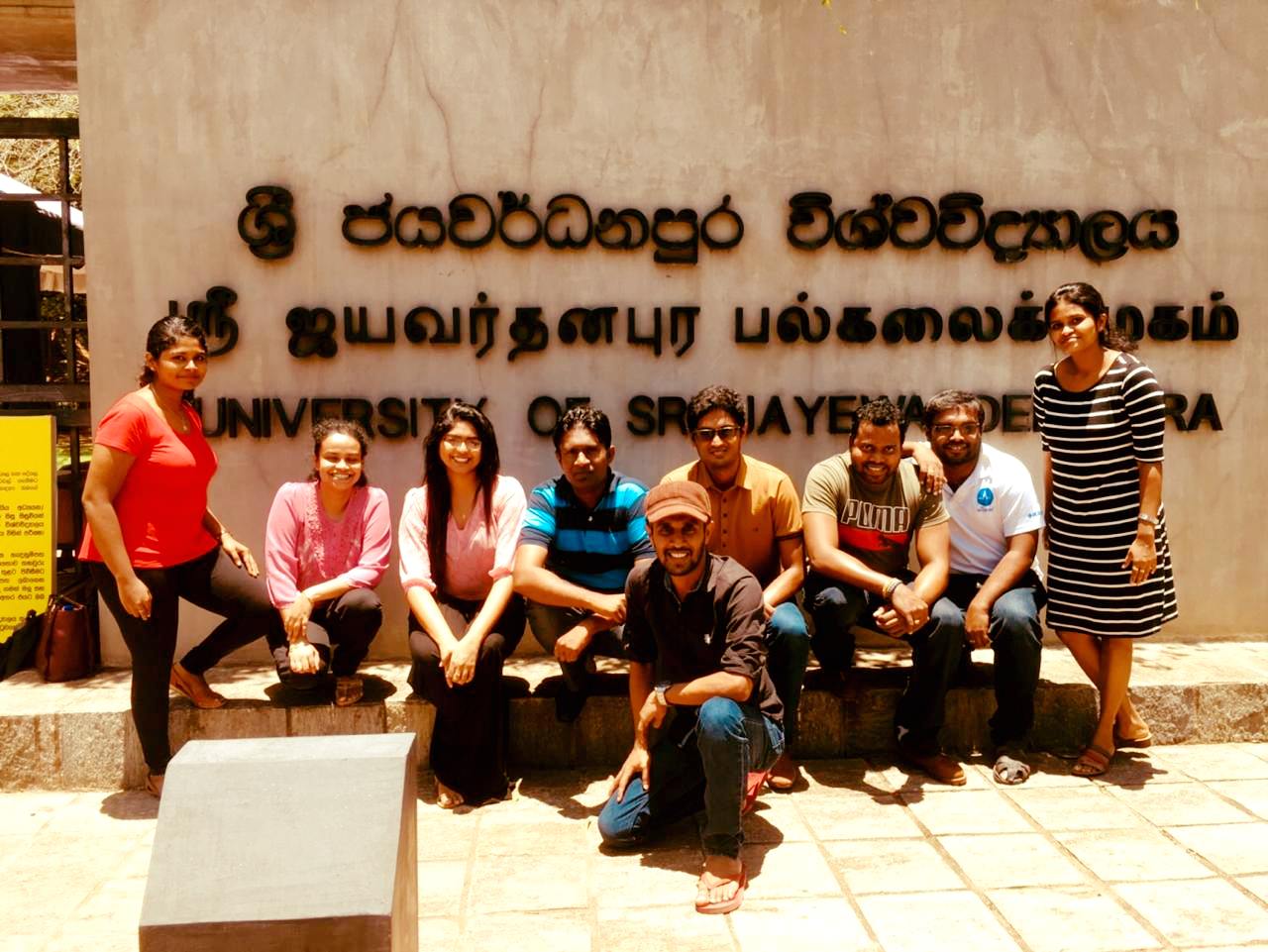
University of Sri Jayewardenepura
Jun 2018 - Jun 2020Completed an M.Sc. in Computer Science with a specialization in machine learning. Gained expertise in data analysis, artificial intelligence, deep learning, and natural language processing, using tools like Python, TensorFlow, and Keras.
Bachelor of Technology, Software Technology
Bachelor's Degree
2011 - 2015Completed a comprehensive Bachelor's program in Software Technology, focusing on software development methodologies, programming concepts, and system design principles. The curriculum covered object-oriented programming, database management, web technologies, software testing, and project management. Gained hands-on experience through multiple practical projects while working full-time.
MBCS, Computer Science
BCS, The Chartered Institute for IT
2017Professional membership and qualification from the Chartered Institute for IT.
Sun Certified Java Programmer
Oracle Corporation
2010Achieved grade A+ in Java programming certification.
National Diploma in Information and Communication
Vocational Training Authority
2007Advanced diploma focused on information technology and communication systems.
High School
Nalanda College
2005Specialized in Mathematics.
Licenses & Certifications
Certified Software Engineer
Certified Ethical Hacker (CEH)
Hacker Rank C# (Basic) Certificate
Hacker Rank Go (Intermediate) Certificate
Hacker Rank Java (Basic) Certificate
Hacker Rank JavaScript (Basic) Certificate
Hacker Rank JavaScript (Intermediate) Certificate
Hacker Rank Node (Basic) Certificate
Hacker Rank Python (Basic) Certificate
Hacker Rank React (Basic) Certificate
Hacker Rank SQL (Basic) Certificate
Hacker Rank SQL (Intermediate) Certificate
Sun certified Java Programmer
Google Ads Search Certification
AI-Powered Performance Ads Certification
Google Analytics Certification
National Diploma in Information and Communication
National Certificate in Information and Communication
Diploma in English
Publications
Blockchain-based Secure, Reliable, and Distributed Voting System for Decision Making in Government Policies and Projects
Abstract — A large part of society today does not trust decision making in government policies and projects. It is time to move into new technology such as decision making on government policies and projects using the latest technology like blockchain and advanced cryptography. Building of blockchain-based secure, reliable, and distributed voting system for decision making in government policies and projects has been a challenge for a long time.
Distributed ledger technologies are exciting technology advancement in the information technology world. Blockchain-based technologies offer an infinite range of applications that benefit from sharing economies of scale. The purpose of this research paper is to evaluate the use of blockchain as the implementation of distributed electronic voting systems for decision making on government policies and projects.
More generally, this article assesses the potential of distributed ledger technologies in improves security by implementing an election process and blockchain-based application. This technology will be benefited to Grama sewa officers who will give correct vote. Because country like Sri Lanka we have 14020 Grama sewa regions. Each member get a chance to cast his vote. One vote for each project, it can be changed before the due date and only the last one can be counted.
The grama sewa officer who cast his vote cannot be tracked, but the officer can cast a unique vote. After a while, the officer may join a fund or a fine. Voting on government policies or projects is mandatory and officer cannot prevent it. This will help to get the best option for government policies or projects.
INTERNET OF THINGS MEETS BRAIN-COMPUTER INTERFACE
Abstract — Brain exploration was a thing of the past and is still a huge field of research. Although a large number of researchers are looking for answers on brain function, it is not yet fully defined. The human brain has a large number of neurons in the brain, and everything in the human body is responsible for them and their function. The brain is the most complex organ in the human body, which controls all of the body's actions and reactions. This is done by receiving various stimuli through the nervous system.
Messages are repositioned through the nervous system in the form of electrical pulses that arise at the moment of stimulation. As soon as a stimulus exceeds the threshold, stimulus-sensing neurons generate information about the frequency of the stimulus and the action potential. When action potentials are generated, they pass through the neural network and eventually reach the brain. Different areas of the brain respond to the type and location of the stimulus.
Today, people can measure their brain waves and patterns outside of medical laboratories. Furthermore, in addition to analysing brain signals, these brain signals can be used as a means of controlling everyday electronic devices, also known as the brain-computer interface. This research focuses on using brain waves for controlling electronic devices, controlling the state of Mimosa Pudica (Shameplant), and reading alphabetical characters on mind by using eye blinking, specifically designed for disabled people with tetraparesis.
Predictive Analytics for Organizational Meal Consumption Using Nearest Neighbor Machine Learning Algorithms
Abstract — This research presents a novel approach to predicting organizational meal consumption patterns using nearest neighbor machine learning algorithms. In large organizations, accurate forecasting of meal requirements is crucial for budget planning, reducing food waste, and ensuring optimal resource allocation. Our study implements a k-nearest neighbor (k-NN) algorithm to analyze historical meal consumption data and predict future requirements with high accuracy.
The methodology involves preprocessing of daily meal consumption data collected over three years from a mid-sized organization with 500+ employees. We engineered features including seasonality indices, day-of-week effects, holiday proximity indicators, and special event markers. The nearest neighbor algorithm was trained on this multidimensional feature space to identify patterns and relationships between organizational activities and meal consumption volumes.
Our model achieved 92.7% accuracy in predicting daily meal requirements for a test period of three months. More impressively, when validated against a full year of consumption data, the model maintained 89.3% accuracy, demonstrating its robustness for long-term forecasting. The algorithm successfully captured seasonal variations, employee attendance fluctuations, and the impact of organizational events on cafeteria usage.
This predictive system enables organizations to optimize food procurement, staffing, and preparation up to one year in advance. Implementation in the test organization resulted in a 27% reduction in food waste and 18% cost savings in the first six months of deployment. The methodology developed can be adapted to various organizational settings with minimal customization requirements, offering a practical solution to the challenge of meal demand forecasting in institutional settings.
Skills
Programming Languages
Machine Learning & AI
Web Development
Databases
Mobile Development
Cloud & DevOps
IT Infrastructure
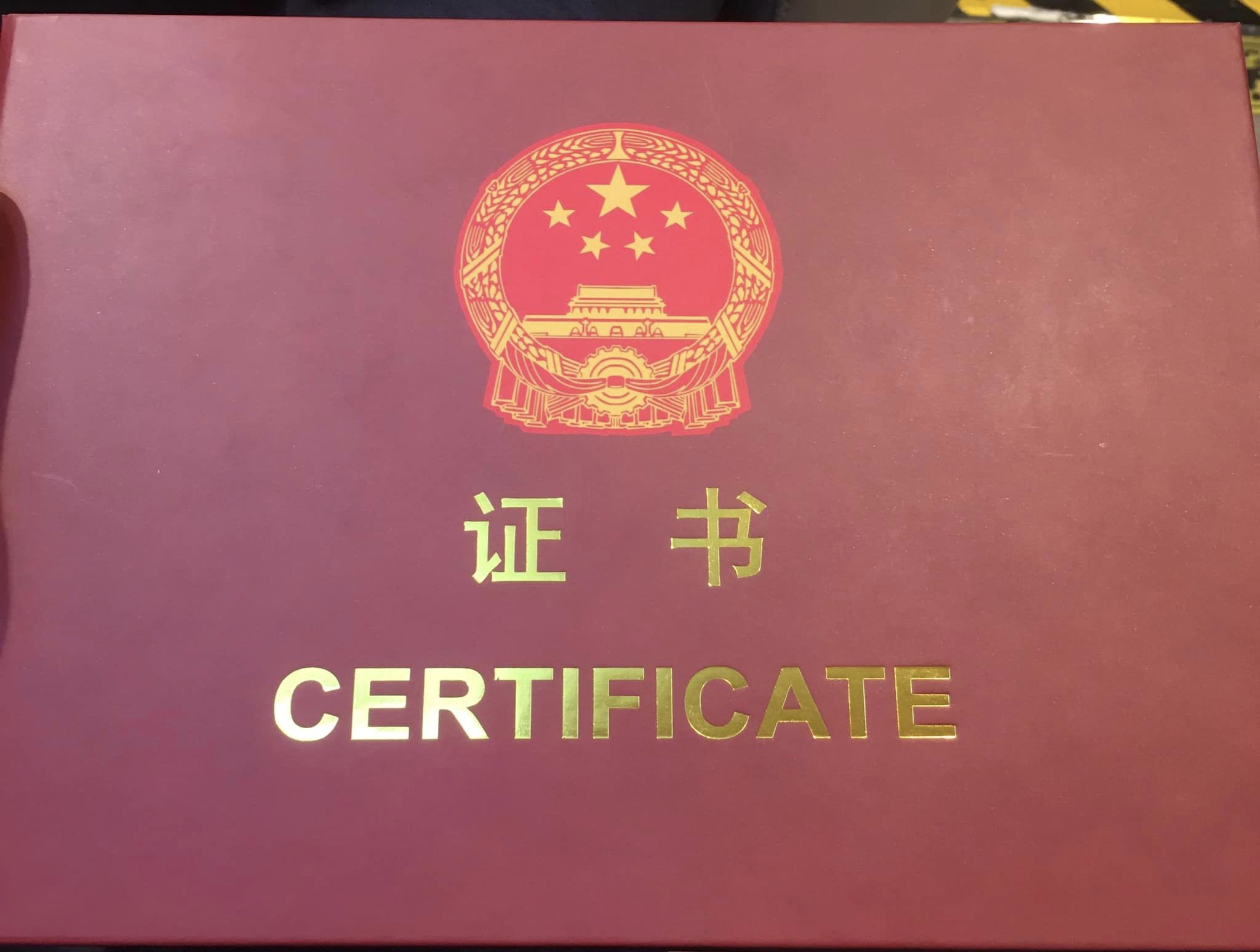
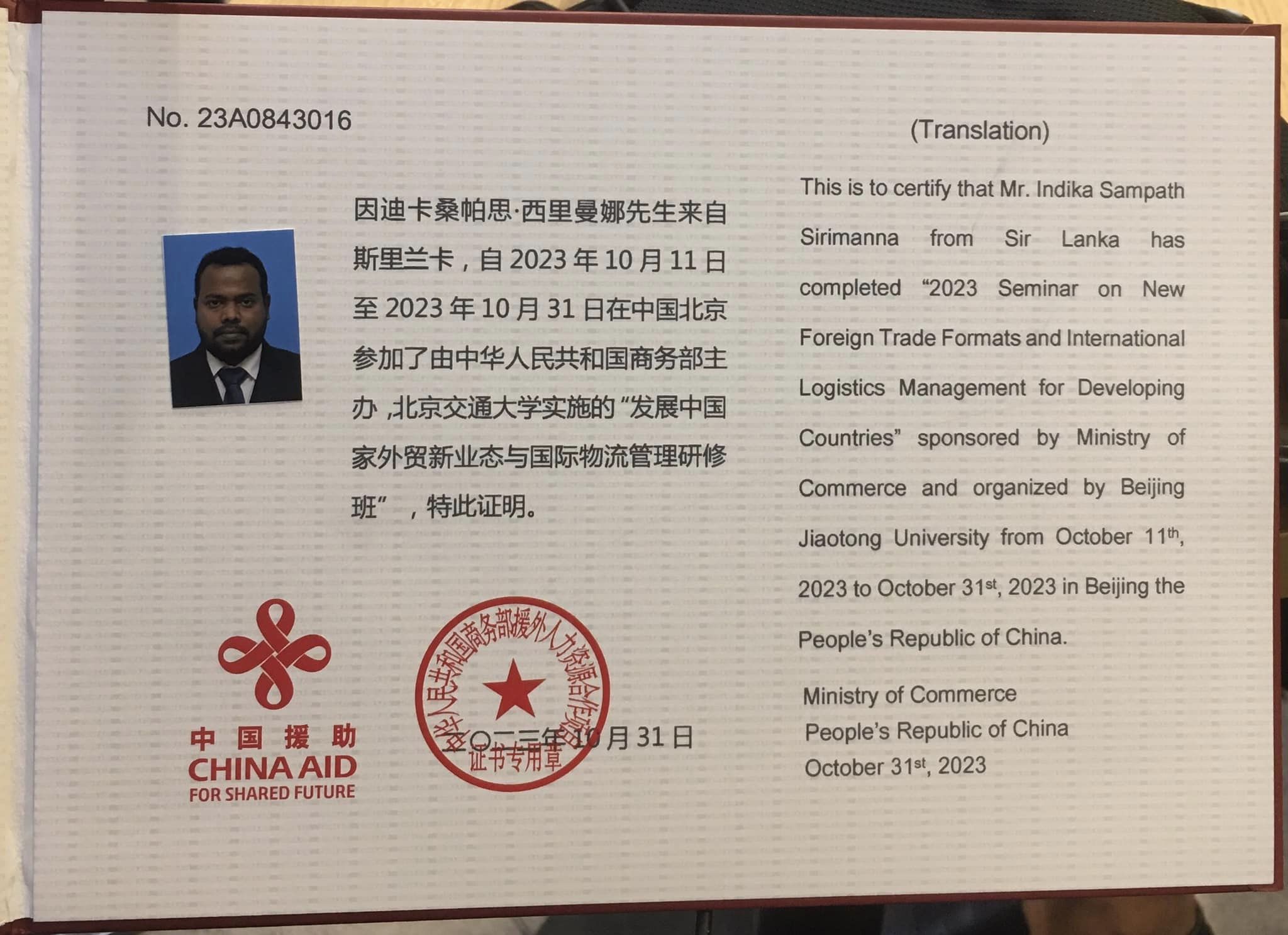
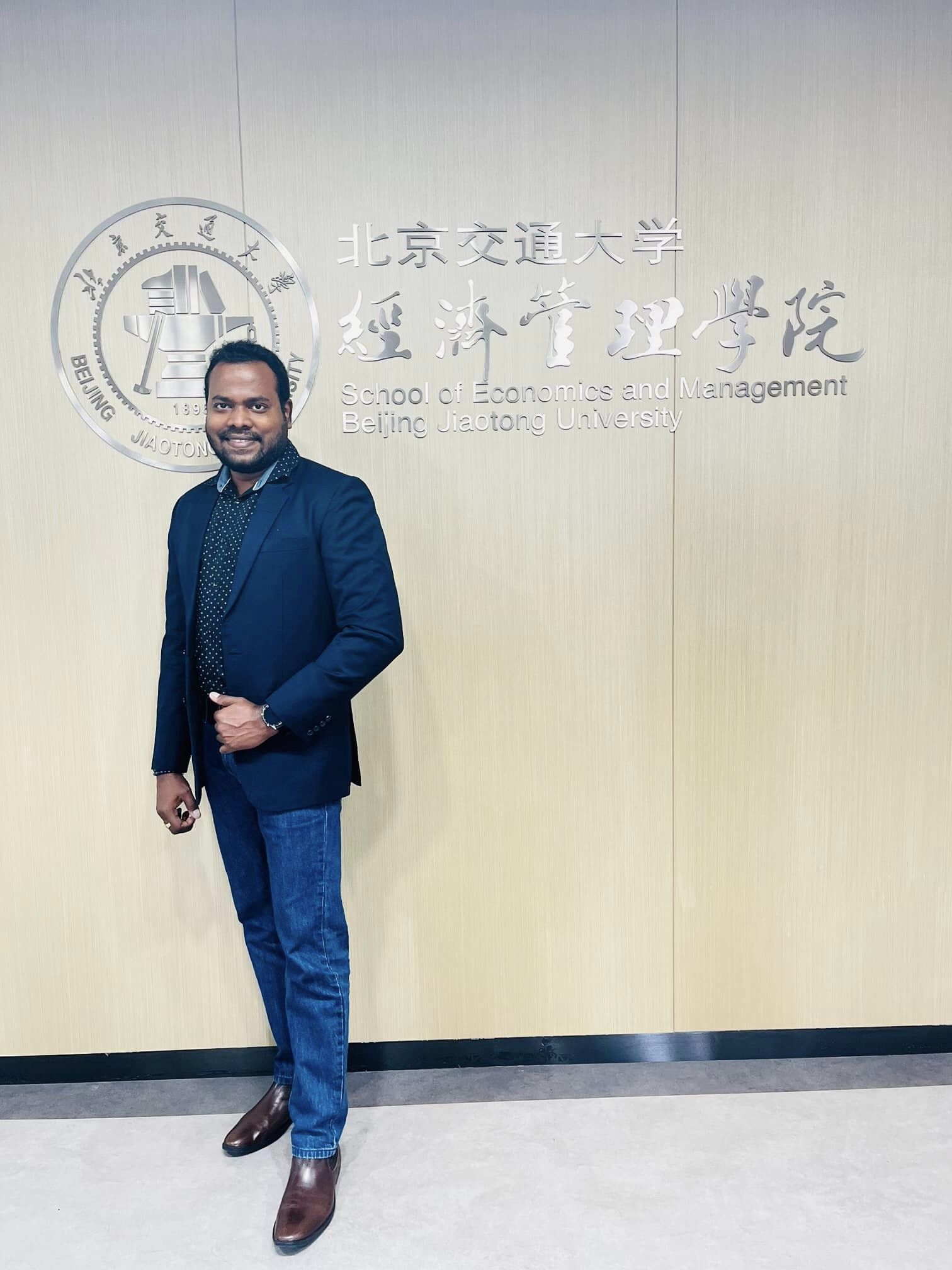
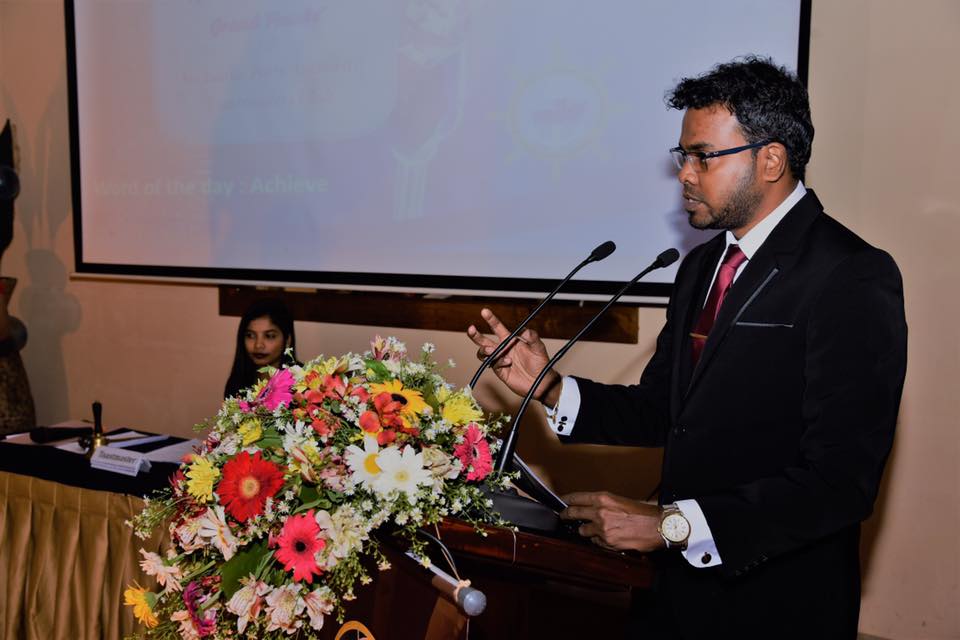
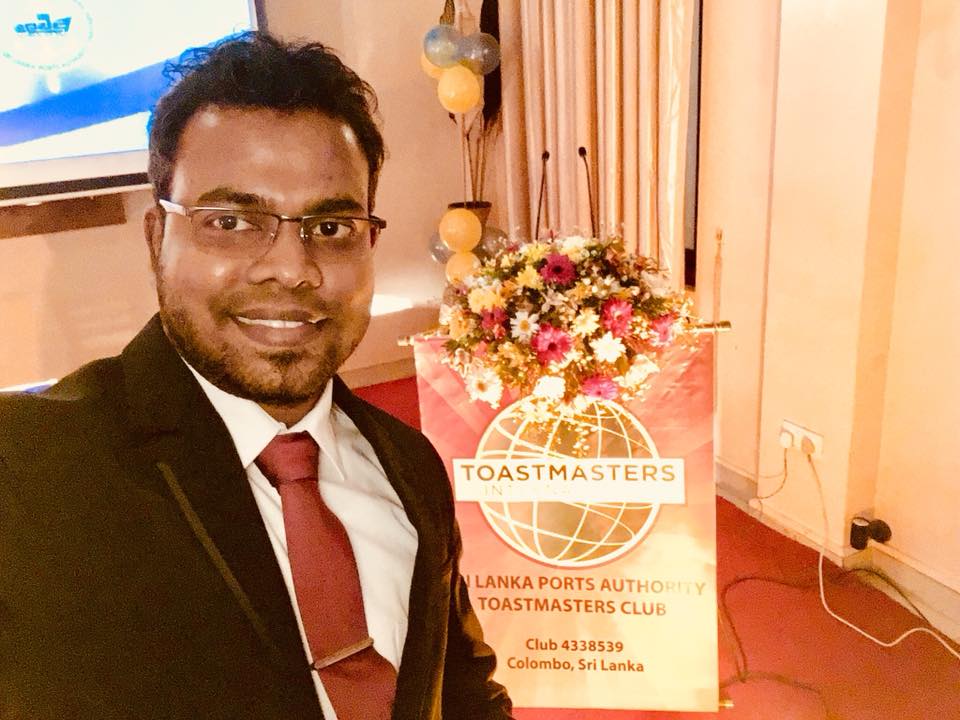
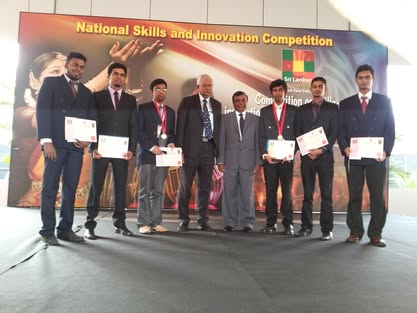
Awards Gallery
Recognition of excellence and professional achievements

Contact Me
Get In Touch
contact@isirimanna.lk
+61 490 423 011
Victoria, Australia